

Phenoxyethanol: The Broad-Spectrum Preservative Powering Safe and Stable Cosmetics
Introduction: The Guardian in Your Bottle
From the luxurious face cream on your vanity to the gentle baby shampoo in the bath, a vast array of personal care products share a common need: protection against spoilage. Water-based formulations are a perfect breeding ground for bacteria, yeast, and mold, which can not only ruin a product but also pose a serious health risk. Standing guard against this invisible threat is one of the most widely used and effective preservatives in the world: Phenoxyethanol.
This gentle yet powerful ingredient has become a cornerstone of modern cosmetic safety, offering reliable protection with a favorable safety profile.
What Exactly is Phenoxyethanol? A Chemical Portrait
Phenoxyethanol is an organic chemical compound, specifically an ether glycol. Its structure is relatively simple:
| Chemical Formula: C₈H₁₀O₂ INCI Name: Phenoxyethanol Appearance: It is a clear, colorless, slightly viscous liquid with a faint, pleasant, rose-like odor. While it can be synthesized, it also occurs naturally in small amounts in substances like green tea and chicory. However, the commercial Phenoxyethanol used in cosmetics is synthetically produced to ensure purity, consistency, and scalability. This controlled production is a key factor in its safety and efficacy. | 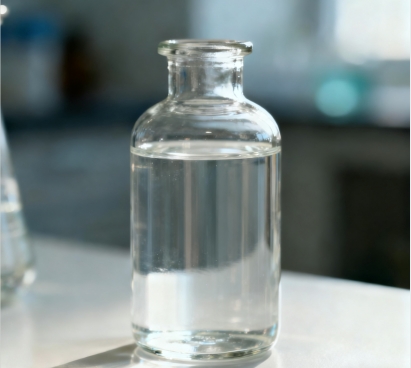 |
Key Properties and Functional Advantages: Why It's a Formulator's Choice
- Broad-Spectrum Antimicrobial Activity:
Phenoxyethanol is primarily effective against Gram-negative bacteria, a class of microbes that includes common contaminants like Pseudomonas aeruginosaand E. coli. This is significant because many other common preservatives are less effective against this particular group. It also exhibits activity against various Gram-positive bacteria and yeasts. For comprehensive protection, it is often used in synergy with other preservatives like EthylhexylGlycerin or Caprylyl Glycol, which broaden its spectrum and enhance its efficacy.
- Excellent Stability:
Unlike some natural preservatives that can be sensitive to heat, light, or pH changes, Phenoxyethanol is remarkably stable. It maintains its effectiveness across a wide pH range (3 to 10) and is stable at high temperatures encountered during manufacturing. This ensures the product remains protected throughout its entire shelf life.
- Favorable Safety Profile:
Phenoxyethanol has been extensively studied and is considered safe for use in cosmetics by regulatory bodies worldwide, including:
The U.S. Food and Drug Administration (FDA)
The European Commission's Scientific Committee on Consumer Safety (SCCS)
The Cosmetic Ingredient Review (CIR) Expert Panel
The CIR Expert Panel has repeatedly reviewed the safety data and concluded that Phenoxyethanol is safe as a cosmetic ingredient at concentrations up to 1.0% (CIR, 1990; Re-review 2007). This 1% concentration is the standard limit in many regions, particularly the EU.
- Low Irritation Potential:
When used within the recommended concentrations, Phenoxyethanol is well-tolerated by the vast majority of users and is known for its low potential to cause skin irritation or sensitization, especially when compared to older preservative systems like formaldehyde-releasers or certain parabens.
- Colorless and Odorless:
Its neutral characteristics mean it does not alter the color or fragrance of the final product, allowing formulators to create exactly the aesthetic and sensory experience they intend.
Applications in Cosmetics and Personal Care
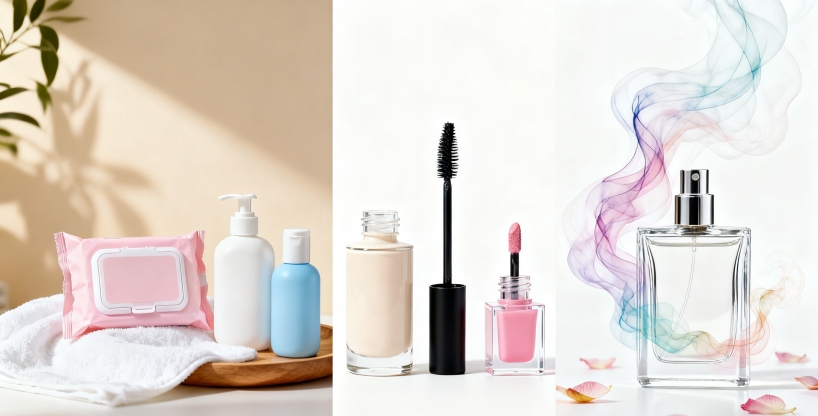
Phenoxyethanol is a true workhorse, found in a breathtakingly wide range of rinse-off and leave-on products. Its primary role is always the same: to prevent microbial growth.
- Skin Care:
Creams and Lotions: Prevents the growth of bacteria and mold in water-rich emulsions.
Serums and Toners: Protects these often-active formulations from contamination.
Sunscreens: Essential for preserving both chemical and mineral sunscreen formulations.
- Hair Care:
Shampoos and Conditioners: Ensures product safety in the warm, wet environment of a shower.
Styling Products: Protects gels, mousses, and creams.
- Color Cosmetics:
Liquid Foundations, Mascaras, and Lip Glosses: These products are particularly vulnerable to contamination from repeated finger or applicator contact, making a robust preservative like Phenoxyethanol essential.
- Baby Care:
Baby Wipes, Shampoos, and Lotions: Its strong safety profile and efficacy against Gram-negative bacteria make it a common choice for protecting products designed for sensitive infant skin.
- Deodorants and Fragrances:
Used to preserve water-based formulations and certain fragrance compounds.
A Closer Look at Safety and Regulations
The safety of Phenoxyethanol is supported by a substantial body of scientific evidence. The key regulation is the concentration limit.
The 1% Limit: The European Commission's SCCS has set a maximum concentration of 1.0% for its use in cosmetics. This limit was established with a significant safety margin, based on extensive toxicological data, to ensure no risk to human health.
Myth-Busting: Phenoxyethanol is sometimes mistakenly associated with severe toxicity. It is crucial to distinguish between exposure routes. The concerns regarding central nervous system depression are associated with ingestion or intravenous exposure to very large quantities, which is entirely different from the topical application of a product containing 1% or less of the ingredient. The skin is an effective barrier, and systemic absorption from cosmetic use is minimal.
A comprehensive review in the International Journal of Toxicology reaffirmed its safety for topical cosmetic use, noting that the available data support its use as a cosmetic preservative at current concentrations (Fiume, 2010).Phenoxyethanol in the "Clean Beauty" Era
In the context of the "clean beauty" movement, Phenoxyethanol occupies a unique space. It is a synthetic ingredient, which some consumers seek to avoid. However, it is often positioned as a pragmatic and safe alternative to more controversial preservatives.
Its efficacy at low concentrations, its stability, and its strong safety record have made it a preferred choice for many brands—both conventional and "clean"—that need to ensure product safety without using parabens or formaldehyde-releasers.
Conclusion: An Indispensable Protector
Phenoxyethanol is not merely an additive; it is a fundamental component of product integrity and consumer safety. Its ability to provide broad-spectrum, stable, and gentle protection has made it one of the most trusted and widely used preservatives globally.